Localisation & Seasonality
Article written for Rusty’s Byron Guide by Yvonne Adams.
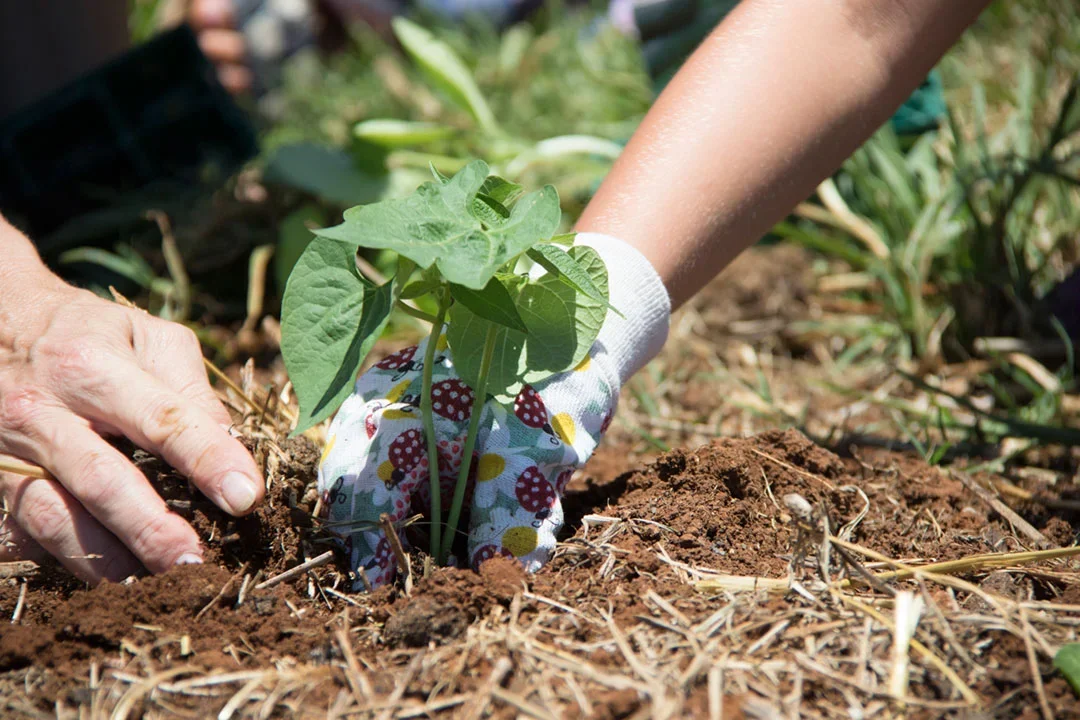
Embracing Local and Seasonal Produce. In an era of global food systems, the essential nature of local, seasonal produce is often overshadowed by the sheer volume of options on supermarket shelves. Yet, embracing food grown close to home and in harmony with the seasons reconnects us with our roots, our health, and the rich heritage of the land we inhabit.
Understanding where our food comes from and how it’s grown is a journey back to wholeness, helping us appreciate the nourishing soil, the hands that tend it, and the short path from farm to table. This journey of education and empowerment is especially celebrated in regions like Northern Rivers, where pioneers in local food systems are making it easier for communities to learn and grow alongside these practices.
“As a First Nations woman, I’m passionate about bridging connections between people, the land, culture, and knowledge through the universal language of food,” says Mindy Woods, founder of Byron Bay’s Karkalla restaurant. “Our ancestors lived in harmony with the land for thousands of years, guided by principles that resonate in today’s organic regenerative farming, seasonal eating, and minimising waste.” This sense of harmony, Woods reminds us, can be a guiding principle as we choose food that supports both our health and the planet.
Our food-buying choices matter: the closer produce is grown to home, and the fewer miles it travels, the more nutrients it retains. Lucy from Northern Rivers Food observes, “With the dominance of supermarkets, many of us have lost the art (and joy) of cooking and eating with the seasons. A trip to the local farmers market reconnects us with this rhythm, where fruit and veg ebb and flow with the seasons.” Shopping at farmers’ markets allows us to buy what’s freshly harvested, support local growers, and even plant seasonal favourites at home for a personal connection to this cycle.
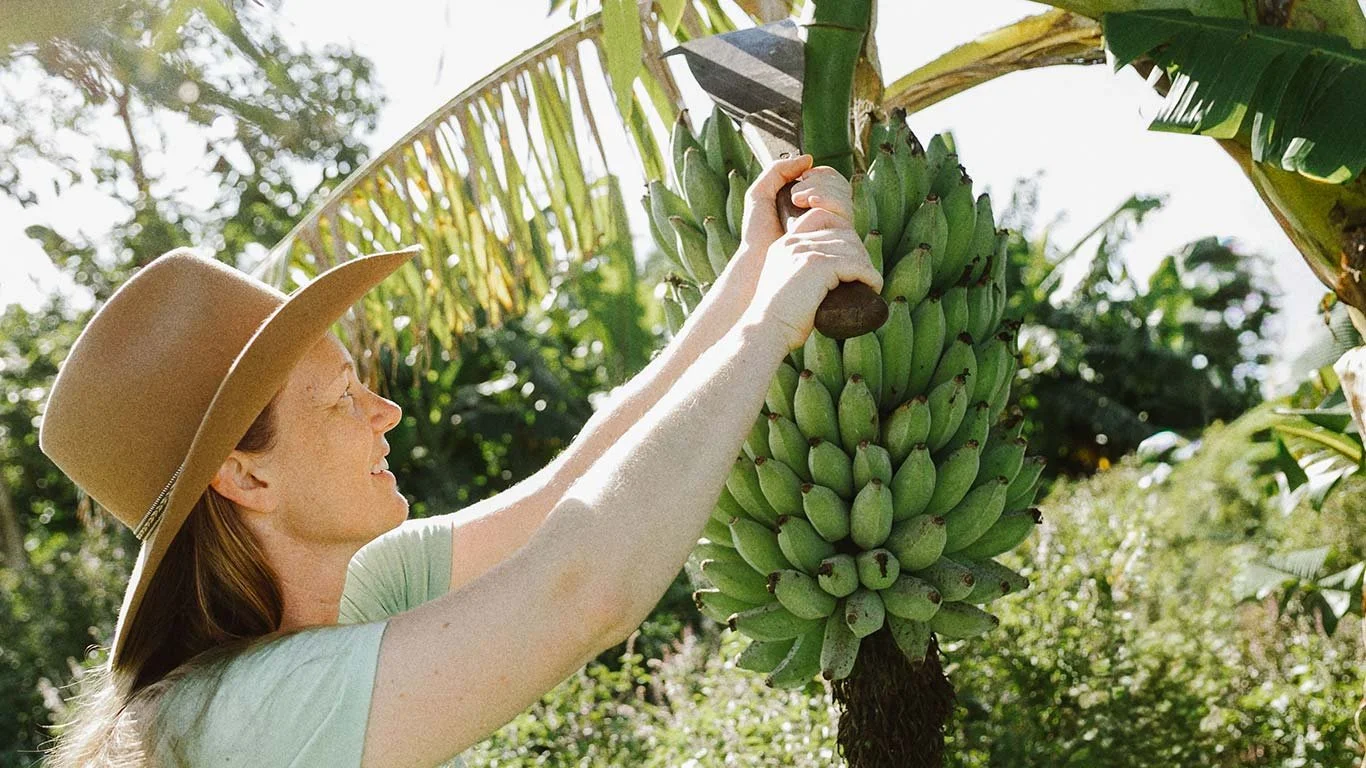
In choosing seasonal foods, we honour our bodies and the environment alike. Seasonal produce, picked at its peak, naturally offers the vitamins and minerals we need for each season. This freshness often means less exposure to preservatives, fewer chemicals, and a lower carbon footprint, as our local farmers’ markets can attest. In the Northern Rivers, we’re fortunate to have abundant access to food grown nearby, almost every day of the week, making it easier than ever to choose produce that supports a sustainable, thriving community.
Cultural Connection Through Food
For many, shopping locally is a journey of rediscovery, reconnecting with culinary traditions, and learning the art of cooking with what’s in season. Flavia Renata Assuncao, the Agroecology Grower and steward of the Food Forest at The Farm, is passionate about this connection to nature’s cycles. “Nature’s language is abundance, generosity, and cooperation,” she shares. “When we eat food from systems that support harmony and balance, we become part of that same healthy system. This was how our ancestors cultivated food.”
Assuncao’s Food Forest is designed to encourage the community to grow and appreciate culturally significant plants and foods that celebrate diversity. Through her stewardship, the Food Forest at The Farm provides both a living example of these cycles and a tangible way for locals to rediscover cultural heritage through the flavours of the land.
The Case for Eating Locally
Education provides a healthy counterbalance to convenience. Studies citing the average Australian food item travels up to 1,500 kilometres mean shopping locally is not just a matter of quality, nutrition, or taste, but an environmental consideration too.
Compelling data from studies show that nutrient-density in fruits and vegetables is diminished by up to 50% within just a few days of harvest. One study examined fresh Australian strawberries, showing that their Vitamin C content was reduced by 60% within a week of being picked.
Peter at Brunswick Valley Landcare adds, “Soil is the keystone to food production. If we wish to have abundant, high quality local food, our producers are increasingly appreciating the key role healthy soils play. Without good healthy soil, costs rise, production falls and our lands wither”.

Choosing local, seasonal produce supports more than just the farmers nearby; with produce harvested at its peak and quickly reaching our markets, we enjoy richer flavours and higher nutrient levels. This shorter farm-to-table journey slashes transportation emissions and removes the need for preservatives, aligning our meals with nature’s rhythms and sustainability in mind.
Inspiring Curiosity and Action
Inspiring even the smallest change can make a difference. Rose, of local Northern Rivers restaurant Lilium, sees food and drinks as medicine for the mind, body, and soul, sourcing high-quality ingredients from regenerative farms and curating a tonic bar of locally grown herbs. “Our mission is to foster harmony and healing for both people and the earth” she shares.
Strong local food systems contribute to community resilience, ensuring access to food during economic crises. For example, Pipit, a restaurant in Northern Rivers, prioritises taste and creativity while emphasising the benefits of sustainable produce. Yen from Pipit states, “We support local and seasonal ingredients for lots of reasons, but taste is still the highest criteria for what lands in our kitchen.” The restaurant also connects diners to local producers by providing maps of nearby farms, encouraging patrons to buy directly from their local farmers and growers.
Three Blue Ducks, the restaurant at The Farm in Byron Bay, is committed to sustainability and regenerative practices, adjusting its menu seasonally based on what comes from the garden. “Working with farmers and growers on regenerative land is a game-changer. We know the soil here is rich and biodiverse, there are no chemicals involved. The quality of the produce we receive is exceptional-it’s grown just metres from our kitchen. Guests can actually see this process for themselves on the guided farm tour, which walks through the veggie patch before returning to the restaurant, making this one of the shortest, freshest farm-to-table journeys in the Shire,” shares owner Jeff Bennett.
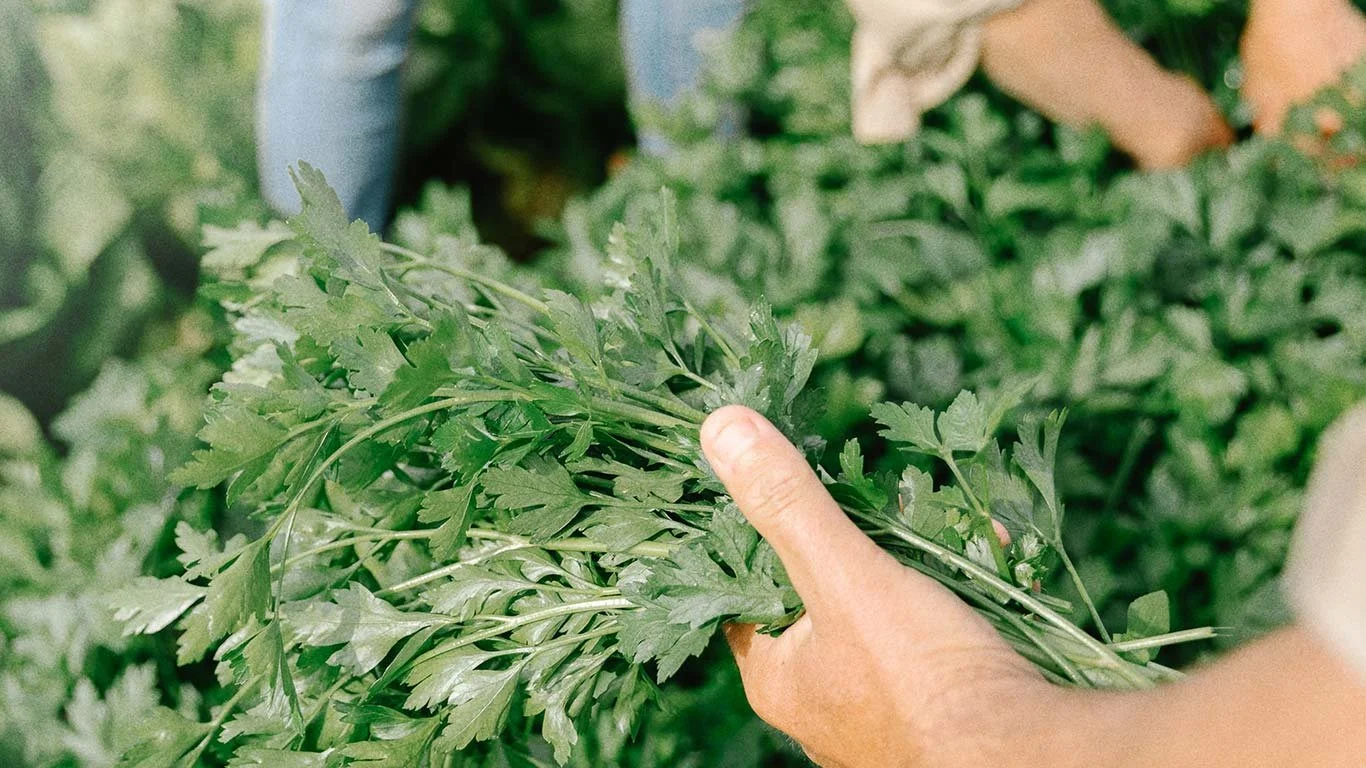
In showing their support of local farmers and growers, these businesses and communities are bolstering the local economy while encouraging practices that improve soil health and crop biodiversity. This movement is contributing significantly towards a more sustainable and regenerative future for our food.
For those inspired to support local farmers and move towards a more seasonal, local menu at home, there are farmers' markets from Tuesday to Sunday in the Northern Rivers!
Article written for Rusty’s Byron Guide by Yvonne Adams.